January 2, 2026
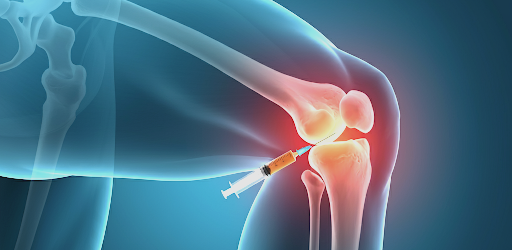
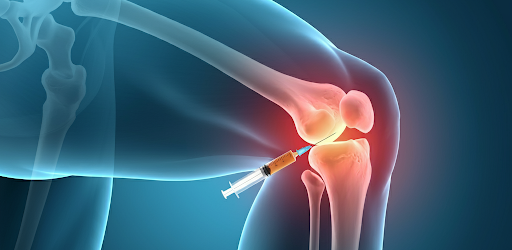
There are alternatives to shots of cortisone steroids to treat arthritis or injured knees at One Natural Health. Are Cortisone injections really the right choice for you? Are you putting your joint at risk over the long term and heading to an early knee replacement? If you're looking through this post, you're seeking answers to the long-running pain issues to see if you will be able to get relief from pain today, and avoid the need for a knee, hip, and shoulder replacement or find some relief until you are able to have an orthopedic joint replacement. It's a long journey through the course of degenerative diseases and you might have been told that joint replacement was the last resort in the road for you, however, it's not the answer you were seeking. This article examines the traditional treatment involving cortisone injections that results in the necessity of surgery even sooner in the future. We'll show new research of steroids, including disturbing findings that say: Corticosteroid Triamcinolone Acetonide can cause knee cartilage damage . Cortisone injections can increase the risk of needing joint surgery. Cortisone injections may increase the necessity for additional surgery, and may increase the risk of post-surgical infection inside the joint. Corticosteroids alter the healing environment of joints through causing damage to the cartilage stem cells. We will examine the latest research questioning: "Intra-articular Corticosteroid Injections in the Hip and Knee: Perhaps Not as Safe as We Thought?" Here's an outline of the article: That the increased number of knee and hip replacements are due to corticosteroids being injected into the joints. Steroid injections may lead to joint collapse or hasten the need for total hip or knee replacement. The fact that research is being published about the negative consequences of cortisone injections can persuade anyone that medicine is alerted to the dangers of corticosteroids. Cortisone may be effective in the short term but can make the problem much more severe over the long-term. The corticosteroid weakened knee cartilage and did not provide any major relief from pain at the two year mark . Although cortisone and surgery are routine, randomized trials have failed to establish their efficacy. Cortisone may make bone on bone knees worse by thinning out the meniscus . But one single injection appears okay. The debate about cortisone is ongoing. Cortisone injections. Did they create a higher chance of needing knee replacement? It seems likely this is true. Secondary adrenal deficiency. Cortisol is a key component in chronic pain Cortisone interferes with natural healing processes and harms the joints. A direct correlation between increased steroid concentration and increased chondrocyte apoptosis (cartilage death)/ Cortisone injections can cause risks, adverse effects and toxic effects on tissues. An effect of joint pain may also be associated with accelerated joint destruction. Cortisone injections could lead an area to an infection. Patients have complained of muscular burning and pain after cortisone injections. Treatment Options: Ozone What is Ozone? It is oxygen and ozone injections that help to repair joint damage in ways that cortisone can't. Ozone delivers oxygen, ozone and nutrients to joints to aid in healing the cells with energy as well as creating an environment that is safe and clean of unwanted microorganisms due to its natural antibacterial and antiviral effects. Ozone provides healing cells with the nutrition they crave and assists to increase the number of healthy new cells. Normally some procaine, which is a natural anesthetic, B-Vitamins, and Ozone make up a regenerative injection, though Ozone can be combined with Platelet Rich Plasma (PRP) and Stem Cell Injections with better outcomes. However ozone alone is far more affordable than PRP or Stem Cell treatments. And there are PRP side effects , such as discomfort, pain, risk of infection, and mainly, the cost to the patient! Stem Cell side effects are about the same as PRP, with pain, infection, and cost being the biggest concerns. Thankfully there are almost no PRP CONTRAINDICATIONS , PRP dangers , or almost no stem cell therapy side effects , as long as the provider only uses platelets and stem cells from the patient themselves. However, that much liquid being injected in a tight space still hurts a lot. Ozone is a gas, which is hardly painful, it reduces the risk of infection, and it costs much less than PRP or stem cell injections, so we lean towards it for the majority of our patient population. If you're already seeking treatment alternatives that go beyond cortisone of what a pain doctor near me has suggested, contact us today about Ozone Injections that help tissues regenerate, reduce pain, and actually help in injuries and arthritis. It is possible that the increased number of knee and hip replacements is directly a result of corticosteroids being injected into these joints. Corticosteroids, like prednisone and cortisone are harmful to the healing of soft tissue and bone. Corticosteroids inhibit vitamin D, restricting calcium absorption through the gastrointestinal tract , and increasing the excretion of calcium from the urinary tract. Bone also exhibits a decline in calcium absorption, eventually leading to weakening of the fibro-osseous junction, increasing rates of osteopenia, osteoporosis, and fractures of the bone caused by accidents or falls. Corticosteroids can also block production of Growth Hormone, which decreases the soft connective tissue as well as bone healing. In the end, corticosteroids cause damage and decay in ligament, bone and the strength of the tendon. Corticosteroids hinder the production of collagen, proteins and proteoglycans within cartilage of the articular region by inhibiting the production of chondrocytes, which are the cells that form the cartilage of the articular. The catabolic effect (weakening) by corticosteroids results in a decrease in collagen production by fibroblasts as well as angiogenesis (new blood vessel development). Cortisone injections involving even one shot can result in possible irreparable injury on cartilage joints as well as cartilage. The title of the study mentioned above "Intra-articular Corticosteroid Injections in the Hip and Knee: Perhaps Not as Safe as We Thought?" found from an October 19, 2019 date publication by the medical journal Radiology provides as its main points the following: Adverse effects in cortisone injections The damaging joint effects that can occur following the intra-articular corticosteroid (IACS) injections, including accelerated osteoarthritis progress, subchondral insufficiency, fracture as well as complications of osteonecrosis along with rapid degeneration of joint due to loss of bone, are being more well-known by doctors as well as radiologists, who may now be considering including these risks in the patient consents. In other words, it's back to the title of their article: Intra-articular Corticosteroid Injections in the Hip and Knee: Perhaps Not as Safe as We Thought? "Steroid injections may lead to joint collapse or hasten the need for total hip or knee replacement." Doctors aren't often willing to inform patients about this possibility or the doctors are not aware what steroids do to their patient’s joints. A paper published from the Radiological Society of North America in the publication Radiology has the following important details: "Steroid injections may lead to joint collapse or hasten the need for total hip or knee replacement." Ali Guermazi, M.D., Ph.D., professor of radiology and medicine at Boston University School of Medicine and the lead researcher in the study, discovered it was found that corticosteroid injections may be linked to complications that could cause the destruction of joints and can increase the need for complete knee and hip replacements. A review of the current studies on complications following corticosteroid injections by Dr. Guermazi and colleagues identified four key adverse effects that included: increased osteoarthritis progression and loss of joints, subchondral fractures (stress fractures that happen under the cartilage) as well as complications of osteonecrosis (death of bone tissue) as well as rapid joint destruction including bone loss. Family Doctors Near Me rarely tell patients the possibility of joint collapse or subchondral insufficiency fractures that may lead to earlier total hip or knee replacement, Dr. Guermazi said. This information should be part of the consent when you inject patients with intra-articular corticosteroids. Cortisone is not likely to result in immediate joint destruction for all people. Though if you're here reading this blog post there’s a high chance you've been treated with cortisone in the past and are seeking alternatives. The fact that more research is surfacing on the harmful consequences of cortisone injections should be an alert to medical professionals about the risks of corticosteroids. The risks associated with cortisone injections are well acknowledged in the research. However, in the rush of health medical professionals and patients to feel immediate relief, the risks of steroids are usually accepted as a part of the treatment in the sense of "let's manage the pain until the patient is in need for joint replacement treatment." Cortisone is a treatment that can be beneficial for a short time, but can increase the severity of the problem and the joint in the long-term. The concept that cortisone may cause harm isn't an easy proposition for certain researchers. Corticosteroid injections are used in patients for extended periods of time in family medicine, orthopedics, and pain management provider offices near me. Their anti-inflammatory and pain-relieving properties have made it an everyday practice across the general medical profession. Corticosteroid injections have been shown effective at reducing the pain and inflammation caused by ligament injuries over a period of up to 8 weeks. However the same anti-inflammatory properties can lead to destruction of the cartilage and other soft tissues. In simple terms, the body heals through inflammation cortisone can reduce the healing process and inflammation by disrupting three distinct phases: proliferative, inflammation and remodeling. In essence, healing occurs in stages. The first phase, the inflammatory-repairing phase, sets the foundation for the other phases of healing including repairing and remodeling connective tissue. This inflammatory healing phase is greatly affected by the treatments chosen which include injecting steroids, as well as NSAID treatments like Ibuprofen, Tylenol, Celebrex (celecoxib), diclofenac, mefenamic acid, etoricoxib, indomethacin, aspirin in 325mg or 81mg form, naproxen, Ketoprofen, voltaren, and toradol Mobic (meloxicam), Advil Nabumetone Motrin, etodolac and Midol to mention several. These drugs can hinder or speed up the healing process. Anti-inflammatories slow down and block the initial phase of healing, which can cause acute injuries to become chronic. Another group found that patients suffering from knee osteoarthritis, two months treatment with intra-articular triamcinolone steroids in comparison to intra-articular saline led to significantly larger loss of cartilage volume and no significant differences regarding knee joint pain. Corticosteroid caused knee cartilage damage and did not provide significant relief of pain over the course of two years. In the same way, cortisone can be effective or increase the severity of the problem. . In February of 2020 , a review study titled Medical Reversals in Family Practice: A Review, published in the journal Current Therapeutic Research, Clinical and Experimental showed: While cortisone and surgery are routine, randomized trials have failed to establish their efficacy. Despite the inconsistent guidelines for more invasive treatments millions of people in the United States are treated with corticosteroid injections as well as surgical procedures. While these practices are widespread, randomized studies have not been able to establish evidence of their efficacy. Corticosteroids possess anti-inflammatory impact and osteoarthritis is a chronic inflammation, so intra-articular corticosteroids has been in use for many years and up to 95% of all rheumatologists employ anti-inflammatories to treat osteoarthritis. However the results of a randomized trial of patients suffering from symptomatic knee osteoarthritis in which 140 patients received an injection of triamcinolone or saline every 12 weeks for a period of 2 years. There was no difference in pain among patients treated with triamcinolone and saline. Additionally, those who received the triamcinolone treatment experienced a larger reduction in the thickness of cartilage. (This study is pointed out in the previous paragraph). Many patients will be better off using a less-is-more approach of low-impact physical activities and strength-training exercises, rather than surgery or cortisone. Moving forward with research on knee osteoarthritis Cortisone can make bone-on-bones more prone to injury by thinning the meniscus. One of the main reasons you're thinking about the possibility of a knee replacement or contemplating an injection of cortisone and searching at alternative options to surgery for knees is that you've been told that you have a bone-on-bone knee. Therefore, the notion that cortisone could cause this to get worse because it thins out the meniscus is a concern to doctors who know these risks. In August, 2020 in The journal Scientific Reports doctors voiced concern about the possibility of damaging meniscus tissues using cortisone injections. It is important to note that the main finding was that it was safe to receive only one cortisone shot. These are the main lessons from the research: While intra-articular corticosteroid injections are frequently used to treat of knee osteoarthritis, there is controversy about possible adverse reactions to the knee joint's structure. This study examined the consequences of intra-articular corticosteroid injections aggravating knee joint structure and causing greater pain. Results: A single intra-articular corticosteroid injection for the treatment of osteoarthritis-related knee pain was shown to be safe, but there was a meniscal thickness reduction. The cortisone debate continues In December, 2020 a study that was published within the medical journal Rheumatology offers an overview of the controversy surrounding the use of cortisone to treat knees considered to be bone on bone. The following are the key points of the research: "Existing evidence suggests that intra-articular corticosteroids during knee osteoarthritis offer short-term relief from pain and functional improvement, which can be lasting from one to a few weeks. Presently, synovitis (inflammation) can be the leading indicator of the treatment response, and is also a potential option for treatment of anti-inflammatory for intraarticular corticosteroids." Our understanding of this: If you experience an excessive amount of knee swelling, cortisone could be helpful for excessive inflammation. Going back to the study of research: "(A) subgroup of patients with the inflammatory phenotype (simply people with pain and other characteristics attributed to knee swelling) with clinical features of pain, stiffness, joint swelling, and effusion are expected to be more responsive than other phenotypes (those people who do not have chronic knee swelling) who do not display clinical manifestations of inflammation." Our explanation note If you do not suffer from chronic knee swelling, cortisone might not be the best solution for you. Secondary adrenal insufficiency, which requires a homeopathic endocrinologist near me to treat the cause of the insufficiency. Researchers at the University of The United Kingdom publishing in March 2022 in the journal Clinical Orthopaedics and Related Studies investigated whether corticosteroid injections are related to secondary adrenal insufficiency for adults suffering from musculoskeletal pain. Secondary adrenal insufficiency occurs as the condition where the adrenal glands don't produce enough cortisol, a hormone that when low levels are present in the body can trigger symptoms of fatigue, weakness and blood pressure that is low (and associated symptoms such as dizziness, lightheadedness nausea, and lightheadedness). It is called secondary adrenal insufficiency because it is caused by lack of production of the hormone ACTH (adrenocorticotropin) in the pituitary gland. Here are the main learning points of this study Although corticosteroid injections are the most common treatment option for people suffering from musculoskeletal pain, however, there are concerns about corticosteroid side-effects, as well as potential for secondary adrenal deficiency. Seventeen previous studies published in the past were reviewed to determine the secondary adrenal insufficiency risk for patients who receive cortisone injections. Findings: The issue with spinal injections of steroids: Clinicians offering spinal injections should discuss the possibility of short-term secondary adrenal insufficiency with patients, and together, they can decide whether the treatment remains appropriate and whether mitigation strategies are needed. Concerns about hip, shoulder knee, and shoulder injections: Clinicians offering appendicular skeleton injections (injections into arms, legs and pelvis) may limit care because of concerns about secondary adrenal insufficiency based on the best available evidence, and clinical guidelines could be reviewed accordingly. The injections into the spinal canal caused the most anxiety, with the authors requesting for further research to determine whether age or sex affect the risk of secondary adrenal insufficiency. A better understanding of cortisol's role in chronic pain The pain can not only limit one's satisfaction with life, it also causes stress to the body. Stress is the most detrimental factor for well-being. When a person is stressed, it activates "fight or flight" response and the adrenal gland starts excreting hormones like cortisol and adrenaline. The adrenal glands on top of the kidneys, produce cortisol in order to increase the number of blood white cells activated in the case of infectious or allergic stress. The body is "on alert." Chronic discomfort causes your adrenal glands to stay in an ongoing "alert mode," secreting cortisol in the event of an illness or when someone is being victimized. If chronic pain continues to linger, cortisol levels are constantly elevated. Even the best endocrinologists near me struggle to help their patients with stress. The levels of cortisol are believed to decrease at night and when putting the body into the state of sleep. The adrenals also release adrenaline, which is more appropriately referred to as epinephrine. It is the hormone responsible for stimulating the sympathetic nerve system. Do search for a functional endocrinologist near me to help you. The release of this adrenaline constantly triggers the body to produce free radicals that cause oxidation damage in the body. Chronic pain can cause long-term damage to the body's oxidative system. This is one reason why those who suffer with chronic pain suffer more often and are aging early than their chronological age. This could also be the reason why they appear "stressed-out." Where I am from “ Pain Doctors in Lincoln ” NE are great at medication management, steroids, and surgery, but is there an alternative? Yes, Read on. Cortisone impedes the natural healing process and damages joints that are not native to them. Cortisone and other anti-inflammatory medications, as well as other medications for inflammation and the RICE protocol “rest, ice, compression, and elevation” was recently retracted by its author because of its negative impact on healing. All of theses are classified as "non-healing modalities," and whose use over the long term will only increase the severity of the condition. Cortisone damages and disrupts the healing cells Recent research by researchers at the Mayo Clinic says cortisone can hinder the natural stem cells of cartilage. (Mesenchymal stem cells (MSCs) are the primary building elements of cartilage, as well as muscles and skeletal tissues.) Cortisone interferes with their innate ability to regenerate as a substitute for short-term analgesia. There was a direct correlation between increased steroid concentration and increased chondrocyte apoptosis (or cartilage decay and death) It is a mystery that these drugs continue to be injected into joint joints "therapeutically" for pain. Although corticosteroid and analgesic injections can temporarily alleviate discomfort by reducing the body's inflammatory processes, they are harmful for cartilage cell growth and healing. The results of bovine cartilage research at University of Pittsburgh School of Medicine. University of Pittsburgh School of Medicine identified the following: There was a direct link between an increase in levels of steroid in the blood and an increase in apoptosis of chondrocytes (cartilage death) and also an increase in the toxicity of chondrocytes (cartilage poisoning) in the course of exposure to the methylprednisolone. The addition of lidocaine methylprednisolone substantially increased the frequency of chondrocytes dying. The research released in the journal Clinics of Orthopedic Surgery by French medical doctors and published in Clinics in Orthopedic Surgery should suffice to convince any person that cortisone causes healing of stem cells. Patients seeking treatment from doctors who insist on cortisone first should investigate this decision. It was found that following corticosteroid treatment in patients with osteonecrosis, changes have been observed within the bone marrow of iliac crest, including a decrease in the stem cells pool. It's the same message again and agin - when injections in joints, corticosteroids do not just cause death of cartilage cells but also block healing through their natural mechanism of action that is to block the immune system and prevent inflammation. Cortisone injections are associated with risks, side effects and the toxicity of tissues. However, despite the findings that has been conducted, the first visit to a “pain doctor near me” or “orthopedic doctor near me” is typically a recommendation for cortisone. After doctors began using cortisone as well as other steroids to treat knee pain in the 1950s researchers noticed a significant problem with joint degeneration. This led to the denial of the injection of cortisone. Today, despite the risks, cortisone is still used as an acceptable standard of care. This is the effect of cortisone in the body: Cortisone may have an adverse impact on the healing of soft tissues because it blocks the flow of blood to the area of injury, thereby preventing the development of new blood vessels and limiting the expansion of immune cells, such as macrophages and leukocytes, which in turn hinders the production of protein, fibroblasts' proliferation and, ultimately, collagen formation. Cortisone blocks the release of growth hormone, which in turn reduces bone and soft tissue repair. Cortisone reduces collagen levels and, consequently, soft tissues such as tendons and ligaments. A positive effect on joint pain may also be associated with accelerated joint destruction. What the research suggests: Studies: Cortisone works well for some, but not all and no one seems to understand why: The journal Seminars on Arthritis and Rheumatism: Previous research has not revealed reliable markers of responses in response to corticosteroid intra-articular injections. This is an intervention that is widely used in hip and knee osteoarthritis. Further research is needed in order for this question to be addressed. The Journal of the American Academy of Orthopaedic Surgeons in 2009, researchers found that corticosteroids can reduce knee pain for a minimum of one week, and that an intra-articular corticosteroid injections is only a short-term therapy to a chronic problem. The article is from The International Journal of Clinical Rheumatology in a paper titled "Future directions for the management of pain in osteoarthritis" from 2014. The risks of cortisone injections are joint destruction and cartilage especially for those who suffer from osteoarthritis of the joint. Corticosteroid therapy along with NSAIDs, may cause destruction of cartilage which suggests that an effect on joint pain might be connected with increased joint degeneration that is an significant factor in chronic, long-term illness like osteoarthritis In March of 2017, Italian researchers publishing in the medical journal Expert Opinions in Drug Safety observed that local glucocorticoid shots have shown positive results in certain tendinopathies, but not others. Furthermore, an increase in symptoms or even accidental tendon ruptures were reported. It was a confirmation of an earlier study published more than 40 years ago in 1977. In this study, Stanford University Medical Center and Kaiser-Permanente Medical Center researchers suggested that cortisone injections could cause tears in ligaments and tendon that are painful. They weaken ligament and tendon strength, which is alarming since many athletes return to playing or sport within a short time after receiving an injection. The evidence supporting the efficacy of intra-articular epidural injections for treatment of Sacroiliac joint pain is not convincing Injectable Steroids Side Effect could lead an area to infections as it decreases immune system function. This is why patients with chronic wounds are at risk of infections every time they are given high dose steroids Patients have also complained of extreme muscular burning, pain, and tenderness following a cortisone injection. Researchers from The University of Toronto warmed about the issue of infection from traditional injections using steroids. Intra-articular hip injections with corticosteroids as well as hyaluronic acid can be utilized in order to manage hip arthritis . While the sterile method is advised to prevent infiltration of the joint by microorganisms that are typically found on the top of your skin, there is a chance of infection. (All injections could have the potential of causing infection, including injection techniques using dextrose, PRP (platelet rich plasma) and stem cells, where risk of infection is negated when using Ozone into tissues as this is a natural antibacterial and antiviral gas. Here is the difference - Patients prior to surgery for a hip replacement generally receive corticosteroids injections into the hip and Hyaluronic acid to help manage their pain prior to surgery. Injections consisting of corticosteroids and hyaluronic Acid could increase the possibility of infection because of the immune system suppression from the cortisone. In the case for total replacement of the hip the preoperative administration of a hip injection can increase the risk of infection that could result in the need for an early revision surgery. Although the researchers were unable to determine what agent was injected into the joints prior to surgical procedures, they found that most probable treatments included corticosteroids and hyaluronic acids without or with the use of a local anesthetic. Since hyaluronic acid does not have any evidence-based benefit for hip osteoarthritis it is probable that the majority of the injections were corticosteroids. Corticosteroid joint injections can have local effects on the immune system that can increase the risk of infection after surgical operation of the hip. If this is the case, there will be a duration needed for the results to be "cleared" before a hip replacement can be implanted safely in the joint after steroid injection. No matter the type of solution that is injected intra-articularly, injections expose the joint to the external environment and can lead to bacterial infection without the use of a natural protectant like ozone. More research is needed to determine if the increased risk of infection that follows steroid hip injections is different based on the solution that is used (corticosteroids and hyaluronic acids). So what if cortisone is recommended to you until you ‘are in need of a joint replacement’, what are your options? At One Natural Health our solution is to repair the spine or joint, reconstructing and healing damaged tissue using Regenerative injections. This can be accomplished with Ozone along with B vitamins and natural anesthetics which resets the nerves. Ozone is an injection method that leads to repair of micro-tears and damage to the ligaments and soft tissue in the knee. The injections are focused around the weak and tender parts of the affected joints in the knee. This caused the body to heal and repair itself through triggering a mild oxidative damge , causing more stem cells to come to the area, oxygenating the area, and increasing circulation to help with healing. Ozone makes a prime environment for healing white blood cells to reach the area of injury and form new tissue, which strengthens ligaments and repairs soft tissue. When the ligaments are tightened and soft tissues recover, the knee joints perform normally instead of subluxing and slipping out of alignment. When the knee is functioning normal, swelling and the pain most often disappear Nature's goal of healing is to use the chondrocytes (healing and regenerating cells within our bodies) to repair the injury. Our treatments can aid in this process and speed up healing. In the course of recovery, the body produces its own specific repair process that functions and the anti-inflammatory effect protects the cartilage that is developing around the injury. When the repair is complete the body's body stops producing inflammation. The inflammation no longer required. When corticosteroids are used to reduce inflammation, healing and repair is reduced. Pharmaceutical companies have generated billions of dollars in revenue by manufacturing anti-inflammatory drugs to stop the inflammation that is supposed to be there to heal the injury. The anti-inflammatory medications that are manufactured just target the inflammation, but they don't repair or alter the nature of the disease. Because the repair mechanism within your body is off this means that you're now an individual suffering from pain until the time you are able to get an orthopedic replacement. How can Ozone help to repair joint damage in ways that cortisone isn't able to? Ozone removes damaged tissue and debris from the joint – clean up. When Ozone is injectable into joints, it increases Leukocyte growth (an immune system cell which absorbs and helps get rid of tissue that is diseased) as well as macrophages. The term "macrophage" comes taken from an ancient Greek that means "Big Eaters." They consume debris and damaged tissues within the joint. Ozone helps to bring oxygen to joints for healing cells energy and a clean, safe work environment to heal. In 2017 a stem cell study (stem cells are the native cells within the body that aid in helping to repair tissues that are damaged) The study by Dr. Ming Pei of West Virginia University published an article in the medical journal Biomaterials states that adult stem cells could be a viable source of cartilage-regeneration cells but they can have a tough time working in a tough joint space when hypoxia (the absence Oxygen) and inflammation have resulted in an unhealthy environment for stem cells to function in. Like we said, stem cells that heal need a clean and safe working environment. The process of chronic inflammation gradually causes a depleted oxygen level in joints. Oxygen deprivation is intended as a quick-fix treatment to heal a wound. However, chronic inflammation can lead to gradual strangulation of the joint cells. We often forget that the cells in our body get their energy through aerobic metabolism also known as the Krebs Cycle . The most important substrates or compounds required to support aerobic metabolism are glucose and oxygen. The body breathes in order to obtain oxygen, and we eat food to break down carbohydrates into sugar. Even if one consumes protein, eventually the body will find the means to break proteins into amino acids, and then to glucose. Without glucose, cells and the body are unable to survive. In Closing In short, while cortisone shots can weaken an injured area further, Regenerative Injections stimulate the body to heal it. Ozone boosts circulation of blood to the region as well as collagen synthesis, fibroblast proliferation, and collagen production. The decision is easy, the cortisone shots that can result in proliferative arthritis of joints, OR proliferative injectables such as Ozone Injections that promote the healing process of damaged tissue performed at One Natural Health.