Peptide Therapy
in Lincoln NE
One Natural Health combines helps patients wanting Peptide Therapy of BPC 157, TB 500, TA 1, and GHK CU with Stem Cell Therapy, PRP Therapy, Advanced A2M PRP, and Hyperbaric Oxygen
Peptide Therapy at One Natural Health can be a vital component in the healing process of sports injuries, arthritis, and pain reversal.
We source peptides from 'True Compounding Pharmacies' made specifically for patient use. Patients must think twice before using peptides that are 'lab grade' meaning 'Not for Human Use', instead come to One Natural Health for your peptide therapy, be safe everyone.
What's Peptide Therapy?
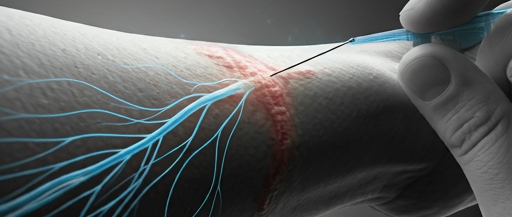
Peptides are chains of amino acids (pieces of proteins), put together to create a healing response in the body. Peptides are injected in joints, muscles, fat, tendons and ligaments.
Patients perform daily at home injections of peptides for a period of 3 to 8 weeks. Peptide Therapy can provide permanent healing when combined with PRP Therapy, Advanced A2M PRP, and Stem Cell Therapy.
Peptide Therapy FAQs
What conditions can Peptide Therapy treat for me?
Knee Injuries and Arthritis
Hip Injuries
Back Pain
Neck Pain
Elbow Pain
Shoulder Injuries
Foot and Ankle Pain
Chronic inflammation in Autoimmune
Chronic Pain Conditions
Peptide Therapy with PRP Therapy and Stem Cell Therapy
The majority of patients do Peptides with the following regenerative treatments
BPC 157 Peptide Therapy in Lincoln NE
One Natural Health emphasizes the safe and effective BPC-157 Peptide Therapy for patients ready for accelerated healing. BPC 157 Peptide is for patients wanting to reduce inflammation and start the healing process for orthopedic injuries, such as Knee Injuries and Arthritis, Hip Injuries, Back Pain, Neck Pain, Elbow Injuries, etc.
BPC 157 Peptide is commonly combined with TB 500 Peptide, where for fastest healing patients add on GHK CU and TA 1 Peptides. Most Patients doing Peptide Therapy use it as a finishing agent on top of PRP, advanced A2M PRP, and Stem Cell Therapy treatments.
TB 500 Peptide Therapy in Lincoln NE
One Natural Health helps patients desiring safe and effective TB-500 Peptide Therapy for patients ready for accelerated healing.
Most Patients doing Peptide Therapy use it as a finishing agent on top of
PRP, advanced
A2M PRP, and
Stem Cell Therapy treatments.
Is BPC 157, TB 500, TA 1, and GHK Copper Peptide Therapy the same as Semaglutide, Tirzepatide and Ozempic?
Peptides of BPC-157 and TB-500 are far different than Semaglutide and Tirzepatide. GLP drugs are based on peptide chains but due to studies showing muscle loss and bone loss GLP-1 Agonists show high risk of Permanent Side Effects. BPC 157 and TB 500 are part of the healing cascade for orthopedic injuries, arthritis, and pain, where GLP peptides are for temporary weight loss.
Are Hormone (HRT) and Peptide Therapy Safe Together?
Peptide Therapy works on healing pathways beyond hormone production. Yet Hormone Replacement Therapy has effects in the body that can lead to excessive growth (cellular production), meaning Hormone Replacement therapy is suspected to have higher risks than peptide therapy.
Combining Peptides for patients on hormone replacement therapy is done on a cases by case basis, we currently do not recommend peptide therapy in patients on high dose estrogen therapy.
Which Peptide Therapies are Safe for Me?
As of 2026 we do not prescribe GLP-1 peptides like Ozempic except in medical necessary exceptions.
Want to Learn if you are a candidate for Peptide Therapy
RELATED INFO: CLICK HERE TO LEARN MORE